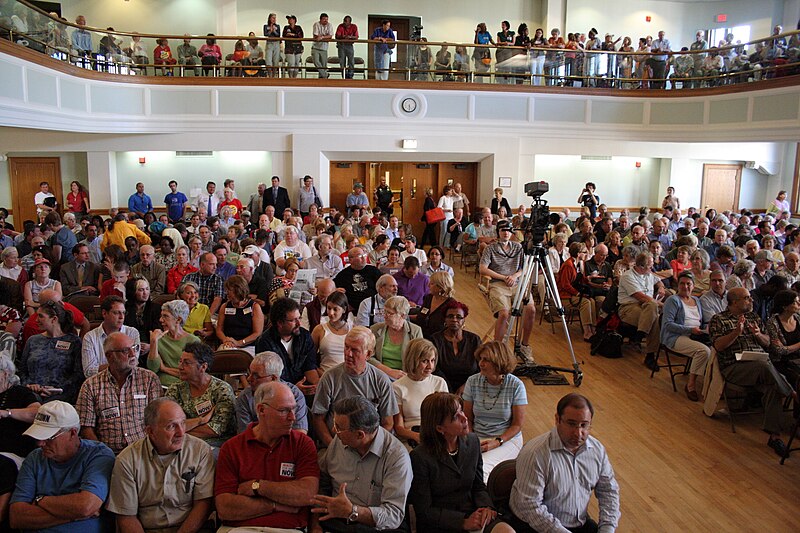
As usual, many of the things that changes our world start in Silicon Valley. Today the Podcar/ATN community experiences a dramatic increase of interest from universities and cities in The Valley. Under leadership from Ron Swenson of INIST, seven cities and three universities now collaborate in moving the technology and good use of sustainable transportation forward. Today almost hundred people - including sixty students - asks themselves how we can make a better way of getting around in the 21st century using renewable energy. These people have started to organize themselves - cities starts forming an interim board and first charter, universities collaborates between the states and international borders, and not least - the main businesses are catching on. The outlook into 2014 is getting promising and exciting. I present just a few of the many that want to make a change here and now.
Hans Larsen, Transportation Manager City of San Jose. One of the many leaders involved in the work for a better transportation solution.
Burford Furman, professor at San Jose State University.
Donna Maurillo, Communications and Special Projects Director, Mineta Transportation Institute.
Mayor Tony Spitaleri, City of Sunnyvale, California
Transportation is the basic tool for peaceful human evolution and interaction. However, today's technology for travel is causing us numerous problems regarding the environment, congestion, accidents, wars and use of valuable land. I believe that by clever engineering and open minds that we can create sustainable transportation for all.
Monday, December 2, 2013
Monday, August 12, 2013
Democracy, Equality and Mobility
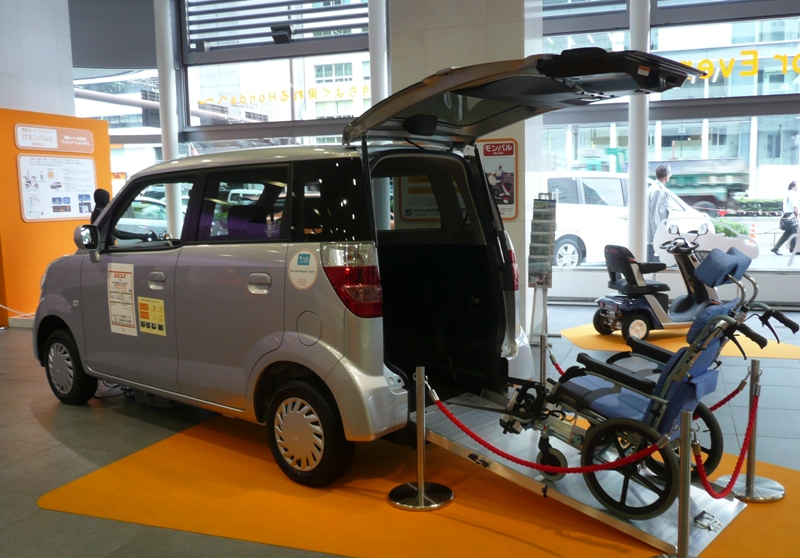
To travel is not for everyone. For some, it's because they don't want to. However for most people travel is essential in their everyday life, but some can't. This is for many different reasons - age, financial, health or other disability. Some people are not even allowed to travel due to political reasons.
Over the years I have been confronted with some opposition to automated transit networks with the argument "it will just add to the current traffic issues". Well, I think it is to some extent true. Or, to be more precise, I still think that an ATN system will reduce the load of other systems, cars or public. However, I do agree that it will actually add the total numbers of travel. This is due to the fact that ATN systems treats people more equal than other modes of transit. You don't need a timetable, driving license or special equipment to use a wheel chair in the Podcar. So for a lot of people who had issues traveling before, it is now considerably easier to move around. So yes, it will add to the current traffic, and that is a pretty good thing, not to forget to mention that it's the law in USA:
http://www.ada.gov/
Mobility is also about democracy and political influence. If you can't get to where decisions are made, you likely will not be heard either. This mostly affects those that have disabilities, no driving license or can't afford a car. Yes, you can go to a local meeting on a bus or light rail. But will it take you back home if the meeting goes on for a long time into late evening? Unfortunately not. So, you have to say "bye" way before the end of the meeting to catch your ride home and you are at risk not to be included in last minute decisions and forward planning. An ATN system can, like no other public transit technology, adapt to personal needs and give full service regardless of time of day, financial status or physical disability.
Friday, June 21, 2013
Innovation and Incremental development
If you raise your view from the ground and look at transportation from above you will observe a few things. First, it's a steady flow of objects carrying people and goods constantly burning fossil fuels to move. Second, the patterns of flow is very similar to that of small water creeks turning into small rivers turning into a big massive flood of water.
Now, let's reverse the view and be a part of this flow. We are going from one place to another, either chained to the steering wheel and trying to find a way to get rid of our car when we arrive at our destination - or using public transit and trying to match timetables and routes in a way that does not mess up our precious time too much.
In this context I raise the issue again - Real Innovation in transportation can not come from within the existing modes. Anything that does that will always be limited to the current paradigm and can never break out of the box it´s put in.
Close you eyes and imagine a six lane congested freeway. Put in a little "innovation", let's say they are all now electric vehicles. Any difference? Not really. Let's add some more - imagine all of them being automatic driven by computers? It will still look the same, but maybe the people trapped in those cars at least can use their time working with their laptop or something. I don't object to electric self driving cars at all, I think it's great that this evolution is happening. But it is incremental development within the current paradigm of city development - same roads, same parking issues, almost same accident problems, still congested roads and not least - a lof of energy misused for personal transportation.
The possibilities of solar powered Automated Transit Networks is far beyond the limitations of current technologies. We can get around way safer, faster, comfortable, greener and use land for what is should be used for - humans, not machines. I am going to Los Angeles at the end of June to meet with people looking into just that at a gathering hosted by Aerospace Corporation, the Mineta Transportation Institute and City of San Jose. An update will come soon at this blog.
Now, let's reverse the view and be a part of this flow. We are going from one place to another, either chained to the steering wheel and trying to find a way to get rid of our car when we arrive at our destination - or using public transit and trying to match timetables and routes in a way that does not mess up our precious time too much.
In this context I raise the issue again - Real Innovation in transportation can not come from within the existing modes. Anything that does that will always be limited to the current paradigm and can never break out of the box it´s put in.
Close you eyes and imagine a six lane congested freeway. Put in a little "innovation", let's say they are all now electric vehicles. Any difference? Not really. Let's add some more - imagine all of them being automatic driven by computers? It will still look the same, but maybe the people trapped in those cars at least can use their time working with their laptop or something. I don't object to electric self driving cars at all, I think it's great that this evolution is happening. But it is incremental development within the current paradigm of city development - same roads, same parking issues, almost same accident problems, still congested roads and not least - a lof of energy misused for personal transportation.
The possibilities of solar powered Automated Transit Networks is far beyond the limitations of current technologies. We can get around way safer, faster, comfortable, greener and use land for what is should be used for - humans, not machines. I am going to Los Angeles at the end of June to meet with people looking into just that at a gathering hosted by Aerospace Corporation, the Mineta Transportation Institute and City of San Jose. An update will come soon at this blog.
Subscribe to:
Posts (Atom)